We stand on the eve of an AI revolution. Those living within a revolution are often the last to recognise its shape.
The agricultural revolution lasted thousands of years, the industrial revolution two hundred and the digital revolution fifty. This one may take only a few years. The speed of change is itself a reason to think now.
I want to say three things about this AI revolution. They build upon each other. Everyone already feels the first; the second has begun; the third is the most profound and least discussed.
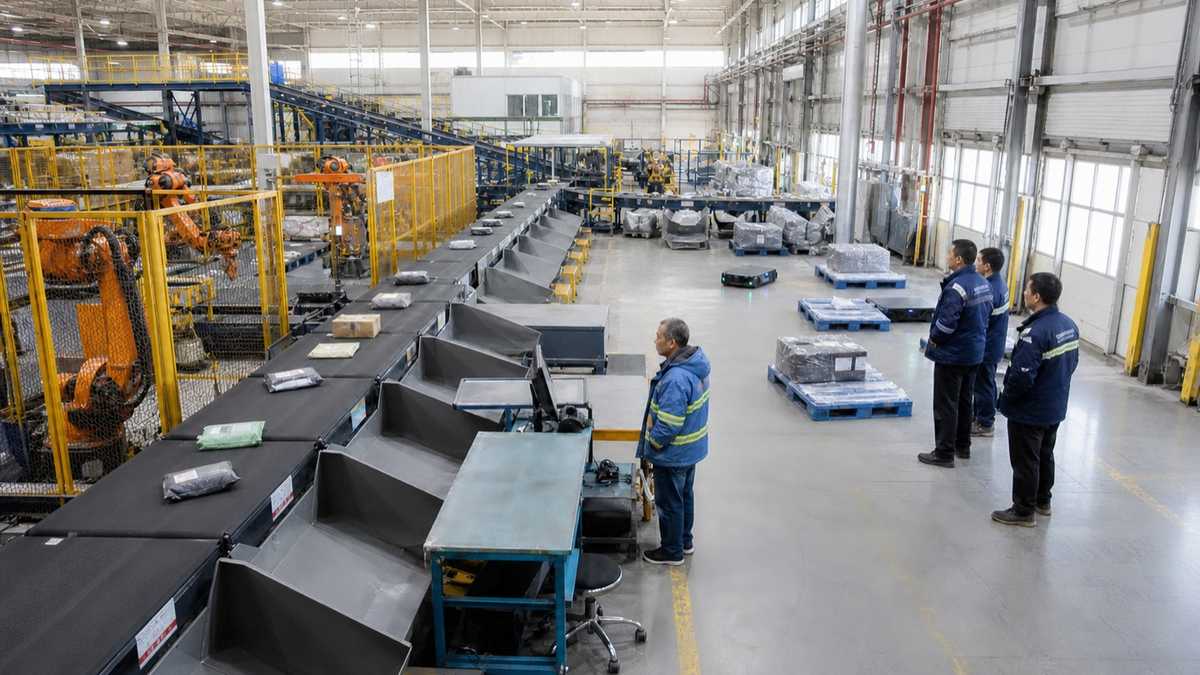
The AI revolution first enters reality looking clean, efficient and desirable. Yet the busier the machines become, the fewer people may be needed on the line.
1. The AI Revolution Is First a Revolution in Efficiency
Anyone who has used AI has experienced this personally.
Writing articles, making images, organising information and handling routine work: tasks once requiring a whole day can now take an hour or two, or even minutes. We are delighted and enjoy this revolution. Accomplishing the greatest amount of work at the lowest cost really is an efficiency revolution.
But that is only half the story: the individual's experience.
The other half lies with capital. From an employer's perspective, the same development looks like this: a task once requiring a team of over a hundred people now needs only a few equipped with AI. For capital, AI perfectly fulfils the oldest demand: reducing costs and increasing efficiency.
Notice that both halves describe the same thing. The tool doubling your efficiency has another name in your employer's spreadsheet.

Everything looks brighter and more efficient. The empty seats remind us that the same tools also mean fewer people doing more work.
2. This Efficiency Revolution Will Dramatically Redistribute Wealth
Unemployment Will Advance Industry by Industry
This is easily underestimated. People ask whether AI will cause mass unemployment, look around, see their colleagues still working and feel reassured.
Yet it is not a single tsunami. It advances through one industry after another.
Already affected are translation, some software development roles, film and television, and voice-over work. In IT, India deserves particular mention. IT outsourcing is one of its economic pillars, and that industry is experiencing real pressure from this revolution. When a country stakes its fortunes on a particular link in production, automating that link has national consequences.
Approaching next, as driverless technology matures, is large-scale unemployment among drivers, followed by parcel couriers and food delivery workers. These are precisely the sectors currently absorbing unemployed people. An office worker who loses a job may drive for a ride-hailing service or deliver food temporarily. That escape route is itself disappearing.
Further sectors have not yet begun this process but are on the way: medicine, education, law, accounting, finance and customer service. Specialised AI development in these fields resembles an arms race. Even a conservative estimate suggests successive introductions within one or two years. A department formerly needing twenty people may then need only two or three.
Those threatened are precisely the people traditionally envied in the economy: white-collar employees at computers in air-conditioned offices.
The Second Wave Is Indirect
Even industries apparently unrelated to AI cannot escape.
Consider coffee. A seed takes several years to become a coffee tree, followed by roasting, processing and transport. AI cannot improve efficiency greatly here; those growing years cannot be compressed.
Yet coffee will still be hit hard, because when middle-class people lose their jobs, the daily coffee is the first expense cut. Tourism, airlines and restaurants face the same logic.
These industries employ large numbers who also form a vast consumer population. A tsunami of unemployment shrinks consumption. Falling demand contracts production, and contracting production creates further unemployment. Society's supply and demand settle into a new equilibrium at a lower level.
People expect AI to bring a great boom, but may instead receive a great depression.
The Most Dangerous Reassurance: We Survived It Before
Someone will inevitably say that history has seen this several times.
Before the agricultural revolution, over ninety per cent of society worked in farming. Once machinery, fertilisers and pesticides spread, only a few per cent were needed to feed everyone. Textiles followed a similar pattern. Emerging industries eventually absorbed displaced agricultural and textile workers. Humanity lived better after its most basic needs for food and clothing were met.
Many therefore bring the same optimism to AI: we resolved such crises before, so we can do so again.
I believe this settled assumption is the most frightening thing of all. Blind optimism could give AI regulation a green light at every stage, until people suddenly realise that this occasion differs entirely from earlier ones.
Tigers belong to the cat family, but tigers and domestic cats are entirely different species.
Past efficiency revolutions affected particular industries, with new jobs absorbing displaced workers. This one is almost economy-wide. More critically, people could previously learn the skills required by new industries. This time, as soon as a new industry appears, AI learns faster. Look at short videos and web dramas: actors are already struggling to find roles.
Can we imagine a future in which most people are unemployed or underemployed? By underemployment here, I mean the gig economy.
Where Is the Way Forward?
First, identify who benefits and who loses.
AI is highly disadvantageous to employees, particularly those doing repetitive mental work. In future, repetitive physical work will also be affected: driving, deliveries, courier services and even domestic services.
For employers it is extremely advantageous. One person may now do what previously required ten.
The ratio between employers and employees will therefore shift dramatically. Today's emerging one-person businesses and gig economy express this trend. It recalls China's late-1990s layoff wave, when many had to become self-employed and run small businesses. The AI revolution may well produce something similar.
Against widespread unemployment, if you do not want simply to give up, perhaps consider using AI to start your own business. This particularly addresses two groups: graduates unable to find work and people losing jobs in middle age.
Notice one crucial change. Developing software used to be expensive, readily costing millions. The situation is reversing. Development costs are falling sharply, while the most valuable ability becomes accurately understanding users' real needs.
Observe your life, your friends' difficulties and the needs of brothers and sisters in church. Then consider how to meet them. AI cannot do this in your place because it does not inhabit your circumstances.
Nor must you work alone. A team of two or three is often better because one person's abilities are limited. Alongside market understanding, someone needs AI development skills and someone needs to understand promotion.
In this dramatic redistribution of wealth, some will remain unemployed long term, while others discover entirely new opportunities. Yet at society's overall level, a great depression may be difficult to avoid. In every era, only a minority willingly learn, adapt and make real changes.
A Word to Christians
Here I must pause. For Christians, these developments are no reason for despair.
As God's children, we believe he supplies daily needs in many wonderful ways. In the wilderness he provided manna for Israel. Amid drought and famine, he provided for Elijah through ravens and a widow.
Joseph's example deserves further reflection. Seven abundant years and seven famine years: God did not cancel the famine. He gave wisdom and time to prepare. Joseph used that wisdom to face his age's crisis, saving not only himself but all Egypt and his own family.
That is my word to brothers and sisters: actively use God's wisdom to face our age's challenges. We can help many others as well as ourselves.
A Rough Scenario
Once the AI revolution becomes mature and widespread, society might take this shape:
- More than 60% unemployed.
- 20%–30% employed, including gig workers.
- Less than 10% at the summit of capital ownership.
These figures are rough speculation, not predictions to take as established. The structure matters more: a society with a tiny pyramid tip and an enormous base. Such a structure inevitably leads to the third development.
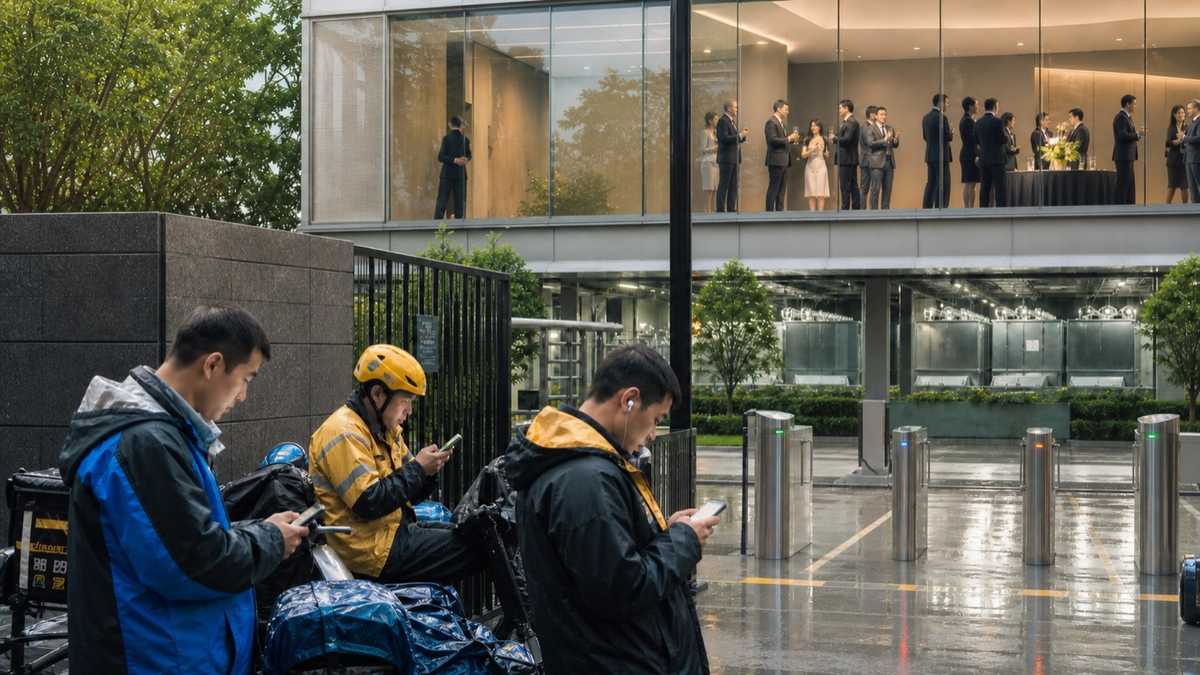
The same technology creates new prosperity, yet may also concentrate wealth, computing power and access behind the glass wall in a few hands.
3. The Deepest Change Is the Redistribution of Power
If more than 60% are unemployed, how do they live?
There is only one answer: state and social welfare.
Yet enormous unemployment and economic depression would also halve government revenues. With expenditure rising and income falling, almost no country, apart from Middle Eastern oil producers, could finance the crisis.
One premise fortunately holds: today's productive efficiency is already high enough to provide basic food and clothing for everyone. We can therefore imagine this arrangement:
1. Food rations. This means the most basic distribution of goods, rather than dining out or expensive restaurants. In China it might be prepared meals; in the West, bread, milk, eggs, sausages and tins. Distribution might use food vouchers or facial recognition.
2. Housing provision. Homeowners could stay in their homes. Governments would probably need accommodation for those without homes. Fortunately, many vacant developments and offices could become residential communities.
3. Pacifying entertainment. This is the crucial element: free Wi-Fi and devices must let people lie in their rooms scrolling phones and videos, watching web dramas, gaming and even livestreaming. VR equipment would be better still, supplying varied virtual experiences. Where policy permits, people could arrange offline football, basketball, yoga, hiking, fishing, vegetable growing and public square dancing.
Frankly, many would think this the retirement they had always dreamed of.
Government's most important task would then be offering a wonderful vision that might never be fulfilled: this is only the initial stage of an AI communist society, the necessary pain of transition. Further AI development will produce material abundance and better lives for everyone. Endure a relatively deprived three to five years, and a magnificent utopia awaits.
From Beasts of Burden to Pets
Moving from the lives of oxen and horses to those of cats and dogs may sound pleasant. What is the price?
The price is surrendering independence and freedom. Life becomes highly dependent on government. The slightest departure from policy standards can bring the lash of suspended benefits.
Pet cats and dogs work less hard than beasts of burden, but their owners can take them to be neutered at any time.
What about the 20%–30% who remain higher-grade wage workers? They still face constant risk of falling down the class ladder and immense pressure. This too is invisible control: someone terrified of losing their place is not free.
Those holding greatest authority in the new power structure are therefore the less than 10% at the summit of capital ownership.
Nations Also Lose Sovereignty
Their control extends beyond individuals. Most countries, apart from Middle Eastern oil producers, would face debt crises forcing them to surrender vital resources: water, electricity, communications, energy and finance.
To prevent defaults, credit downgrades and economic collapse, states would gradually relinquish their most crucial assets. Once another party holds a government's lifelines, it slowly becomes a puppet and loses sovereign independence.
Among all vital resources, the most important besides oil is computing power.
Electricity and the internet underpin most businesses today. Soon computing power will have the same infrastructural status. Yet there is a fundamental difference: water, electricity and communications have local providers in each country, whereas AI computing power is currently concentrated among very few global giants. Future competition may ultimately leave only one or two.
The crucial question is therefore: who is investing enormous sums as the true shareholders behind these giants? Who will pull the levers in future?
Profitable or not, these AI giants already function as computing platforms holding life-or-death power over major businesses worldwide. Any business violating their corporate policies will be barred from their models.
Digital Centralisation and a Previously Unimaginable Possibility
This brings us to the most crucial element in power's redistribution: digital centralisation.
Among biblical prophecies of the last days, the Antichrist's appearance is especially striking. Unlike earlier imperial rulers, he will be a global dictator.
Previously this was unimaginable. Qin Shi Huang, Genghis Khan, Alexander and Napoleon could not extend their empires worldwide. Each held regional supremacy. The practical reason was that an order from the capital needed months to reach every frontier; an information feedback system needed longer. Technology's limits set centralisation's limits.
With the internet, big data and AI, digital centralisation can now reach everyone in milliseconds, across payments, transactions, social life, transport, taxation, health and every sphere of daily life.
The technological ceiling has opened.
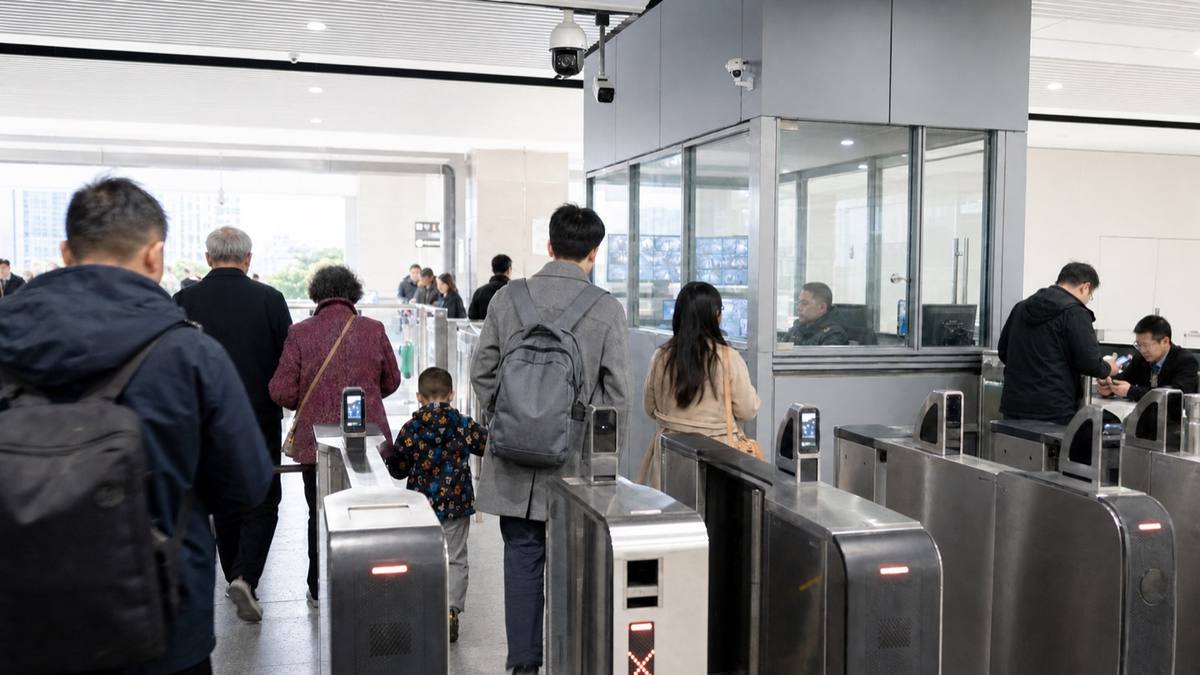
Digital systems enter life through safety and convenience. Every gate passed without noticing also hands more everyday power to the central system.
Within this AI revolution, both sovereign states' gradual loss of power and most citizens' gradual loss of autonomy move in the direction Scripture foretells. This is the face that will ultimately emerge from the restructuring of power.
What Should Christians Do?
After so much unsettling speculation, this is what I most want to say.
Christians need not be excessively fearful or anxious. Revelation shows God's hidden protection even in the worst conditions.
We also possess the ultimate resource: Jesus Christ's resurrection frees us from fear of death. Threats to survival therefore lose their power to blackmail God's children. Someone unafraid of death cannot be threatened. Here centralised powers ultimately meet their limit.
We therefore need lives that do not centre on ourselves. Whether among the unemployed 60% or employed 20%–30%, we can witness to the gospel. Darkness needs light most; bewildering times most need faith and meaning.
This witness is communal as well as individual. The church loves, helps and supports one another in hardship, and welcomes, forgives and bears with one another amid confusion. When everyone fears for themselves, people loving one another sincerely become the most persuasive sermon.
Yet clarity is needed: human nature does not automatically turn to true faith in crisis. More often, desperate people grasp at any remedy. Heresies, cults and other religions may attract increasing numbers, including believers with weak foundations. Jesus foretold more rampant false christs and false prophets.
The church must therefore give in love and build deep roots in truth simultaneously. Without either, it cannot stand.
Remember also that Scripture limits the Antichrist's period of rule. A literal reading suggests seven years, particularly the final three and a half. Therefore, the earlier the Antichrist appears, the nearer the true Christ's arrival.
“The night is far gone, and the day is near” (Romans 13:12).
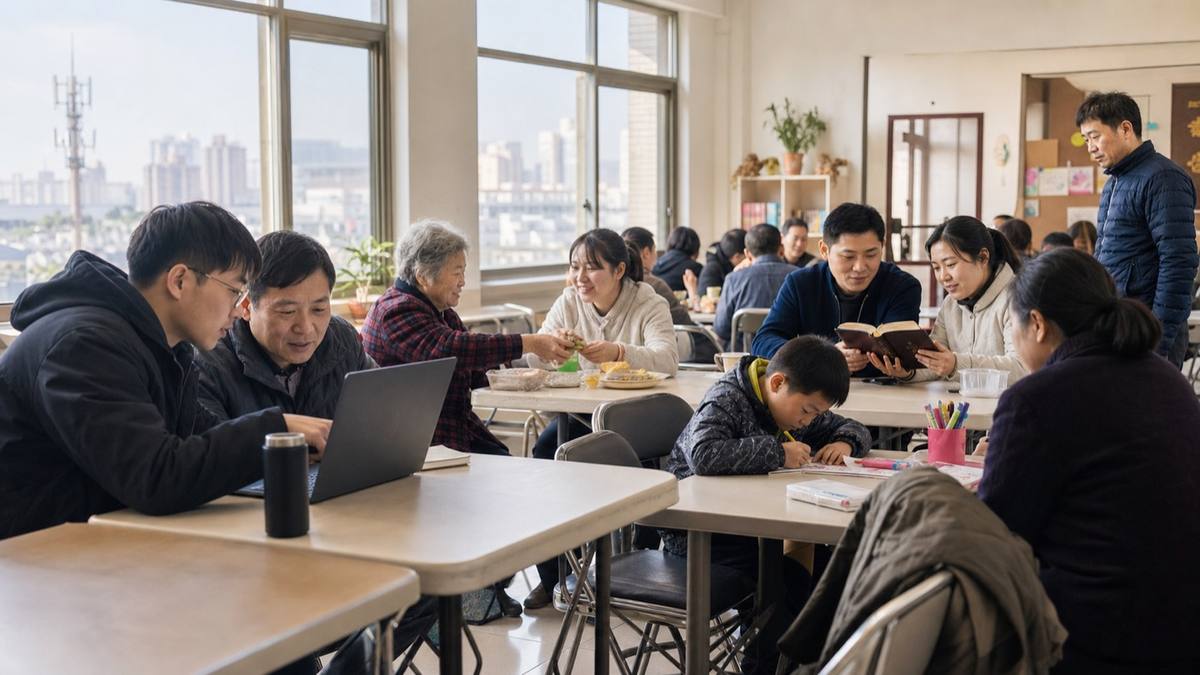
Christian hope does not mean escaping technology. Under any system, we can still serve one another, share necessities and remain rooted in truth.
Conclusion: The Fig Tree's Lesson
Look back across human history.
For thousands of agricultural years, GDP, lifestyles and social structures changed slowly. The industrial revolution accelerated change. Post-war computers, the internet and globalisation accelerated it further. This AI revolution may bring almost exponential transformation.
In Matthew 24, Jesus warns that his return's precise date cannot be predicted: “But no one knows of that day and hour”. Yet he also says, “Now from the fig tree learn this parable: When its branch has now become tender and produces its leaves, you know that the summer is near” (Matthew 24:32).
We cannot calculate the date, but can discern the general season.
We must therefore stay watchful, exceptionally watchful.
Believers across the ages have awaited Christ's return. Peter, John and James in the Gospels belonged to the generation privileged to welcome his first coming after thousands of years of waiting. Very possibly, ours may likewise be privileged to welcome his return.
Whatever happens, when he finds us, may we be watchful, loving and still at work.